
Insect bites are common, especially during warmer months. Most bites and stings cause mild reactions, such as redness, itching, and slight swelling, and usually heal on their own within a few days. However, sometimes a bite can become infected, leading to more serious symptoms that require treatment.
Through NHS Pharmacy First, our expert pharmacists at Market Harborough Pharmacy can provide free advice, recommend effective treatments, and, where appropriate, offer prescription medication to help manage infected insect bites quickly and safely. In this guide, we’ll explain how to recognise an infected insect bite, how to treat it, and the steps you can take to reduce your risk of infection in the future.
How Insect Bites Become Infected
An insect bite becomes infected when bacteria enter the skin. This usually happens if the skin is broken by scratching, but it can also occur if the bite was deep or if contaminated hands or objects come into contact with the area.
Common causes of infected insect bites include:
- — Scratching the bite, which breaks the skin
- — Not keeping the area clean
- — Bites from insects carrying bacteria
- — Existing skin conditions that make infection more likely, such as eczema
People with weakened immune systems, diabetes, or poor circulation may also be at higher risk of developing an infection from an insect bite.
Signs of an Infected Insect Bite
Knowing how to spot an infected insect bite early can help prevent complications. Signs to look out for include:
- — Increasing redness around the bite
- — Swelling that worsens rather than improves
- — Warmth or tenderness at the site
- — Pus or fluid leaking from the bite
- — Pain that becomes more intense
- — Red streaks spreading away from the bite (a sign the infection may be spreading)
If you develop a fever, chills, or generally feel unwell, this may indicate that the infection has become more serious and needs urgent medical attention.
When to Seek Help Through NHS Pharmacy First
You don’t always need to see a GP for an infected insect bite. Through NHS Pharmacy First, our pharmacists can assess your symptoms and provide the right treatment or advice. You should seek help if:
- — The redness and swelling are spreading rapidly
- — There is pus or fluid coming from the bite
- — You develop a fever or feel unwell
- — You notice red streaks on the skin
- — The bite does not improve within a few days despite treatment
In rare cases, insect bites can lead to more serious infections like cellulitis or, very rarely, sepsis. Prompt treatment can help prevent complications.
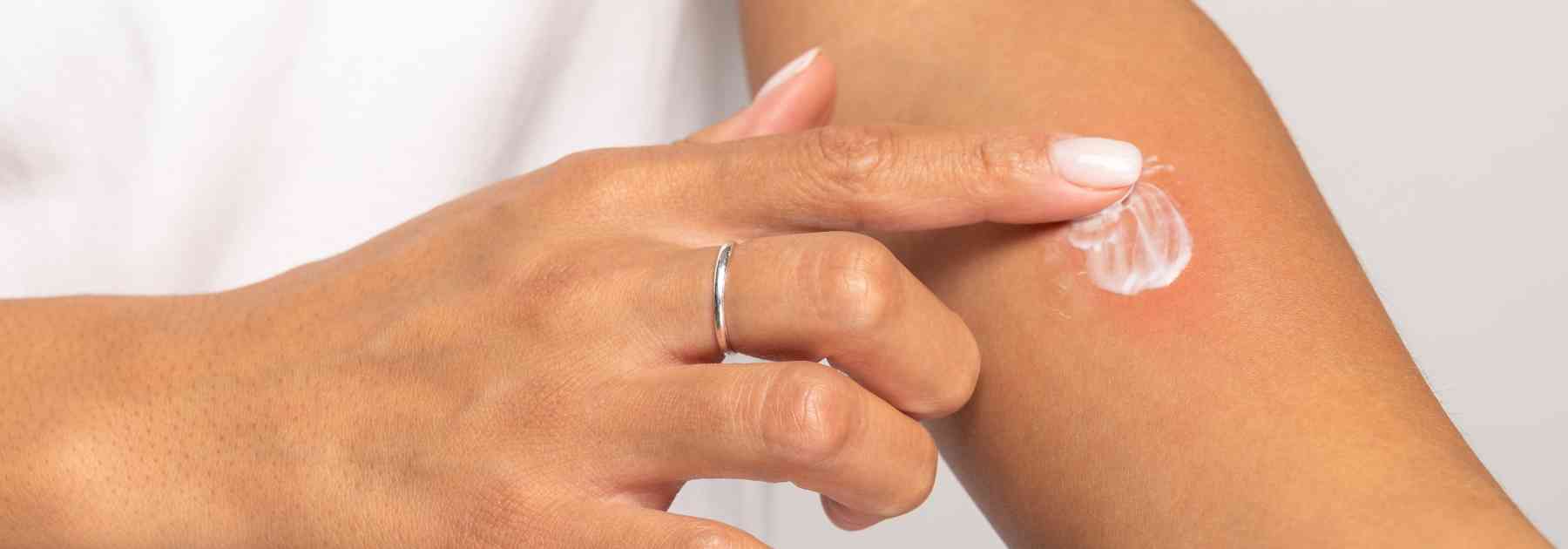
How to Treat an Infected Insect Bite
If you suspect an insect bite has become infected, there are several steps you can take to reduce symptoms and encourage healing.
Clean the Area
Wash the bite gently with mild soap and warm water to remove bacteria and reduce the risk of the infection worsening.
Apply an Antiseptic Cream
Using an over-the-counter antiseptic cream or solution can help kill bacteria and protect the skin from further infection.
Use an Antihistamine or Bite Cream
Antihistamine creams and soothing bite gels can reduce itching, helping you avoid scratching and further aggravating the area.
Control Swelling
Apply a cold compress or ice pack wrapped in a clean cloth to reduce swelling and discomfort.
Take Pain Relief if Needed
Over-the-counter painkillers, such as paracetamol or ibuprofen, can help ease pain and reduce inflammation.
If the infection is severe, your doctor may prescribe antibiotics to clear it up quickly.
Preventing Insect Bites
The best way to avoid infected insect bites is to prevent bites in the first place. Simple precautions include:
- — Use an effective insect repellent
- — Avoid heavily wooded, damp, or grassy areas where insects are more likely to thrive
- — Keep windows and doors closed or use insect screens at home to stop insects from getting indoors
- — Wear long sleeves and trousers when spending time outside
Reducing the Risk of Infection
Even if you do get bitten, there are steps you can take to lower the chances of infection:
- — Avoid scratching the bite, as this breaks the skin and allows bacteria to enter
- — Keep the area clean and wash it gently with soap and water
- — Apply a soothing cream or cold compress to relieve itching
- — Trim fingernails to reduce the risk of transferring bacteria if you accidentally scratch
These small steps can make a big difference and help the bite heal more quickly.

Can Pharmacy First Treat Infected Insect Bites?
The NHS Pharmacy First scheme allows you to access expert advice and, where appropriate, prescription treatments for certain common conditions — including infected insect bites — directly from your local pharmacy without needing to see a GP.
At Market Harborough Pharmacy, our trained pharmacists can:
- — Assess your symptoms and check if your bite is infected
- — Provide advice on reducing pain, swelling, and itching
- — Recommend effective over-the-counter treatments, such as antiseptic creams, antihistamines, and soothing gels
- — Supply prescription medication, including antibiotics, where appropriate
- — Refer you to a GP or hospital if your symptoms require further attention
How Market Harborough Pharmacy Can Help
At Market Harborough Pharmacy, we offer expert support for treating and preventing insect bites, including:
- — Advice on infected insect bite care and treatment
- — A range of creams, antihistamines, and repellents
- — Fast relief with no long waiting times
Our friendly team are here to help you stay protected and healthy. Book a consultation today to speak with our expert pharmacists.
Protect Your Skin and Stay Healthy
An infected insect bite can be painful and uncomfortable, but with the right care, it usually heals quickly. By taking precautions to prevent bites and seeking advice early if infection develops, you can avoid complications and enjoy your time outdoors without worry.
For expert advice and treatment recommendations, contact Market Harborough Pharmacy today and let us help you stay protected wherever you go.

This blog was written on behalf of Market Harborough Pharmacy by Pharmacy Mentor.
